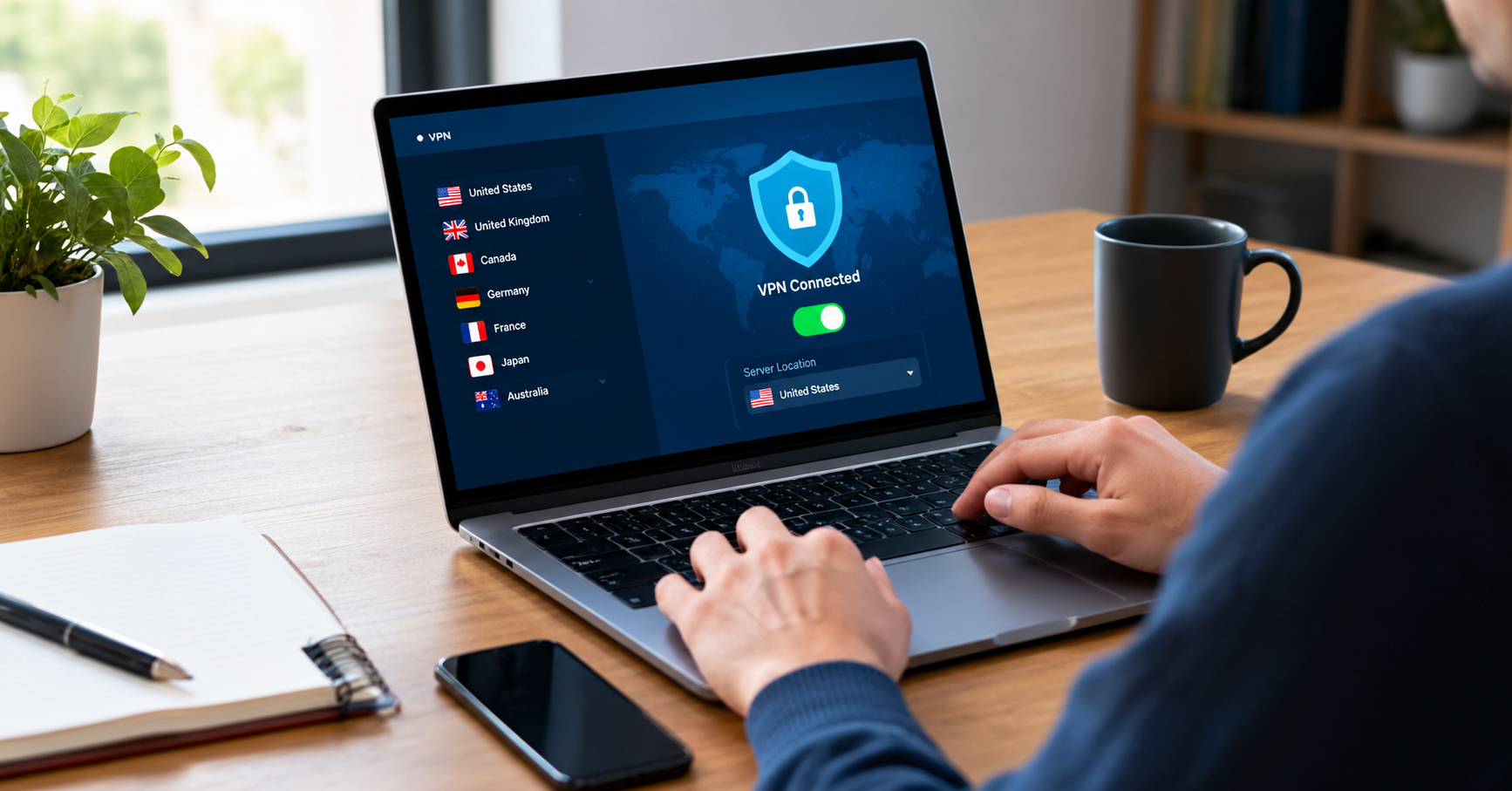
Using the internet on public Wi-Fi, travelling between different networks, or simply wanting more privacy online can make a VPN worth considering. A virtual private network creates an encrypted connection between your device and a VPN server, helping protect your internet traffic from certain types of network monitoring.
For beginners, the idea can sound more technical than it really is. Most modern VPN applications are designed to handle the complicated parts in the background. You usually install the app, sign in or create an account, choose a server, and connect.
However, choosing a free service requires more thought. Free VPN providers may have limits on data, server locations, connection speeds, features, or the number of devices you can use. Some may also rely on advertising or other business models that deserve careful consideration.
This guide to Free VPNs for Beginners 2026 With Easy Setup explains what a VPN does, what to look for in a free service, how to set one up, and how to use it responsibly without assuming that every free option provides the same level of privacy.
Free VPNs for Beginners 2026 With Science Explained Simply
The main purpose of a VPN is to create an encrypted connection between your device and a VPN server. When connected, your internet traffic travels through that protected connection before reaching the wider internet.
For beginners, Free VPNs for Beginners 2026 With Easy Setup can be useful for learning how VPN technology works without immediately committing to a paid subscription.
However, free does not automatically mean private, secure, or unlimited. Before installing anything, research the provider and understand exactly what its free plan includes.
Understand What a VPN Does
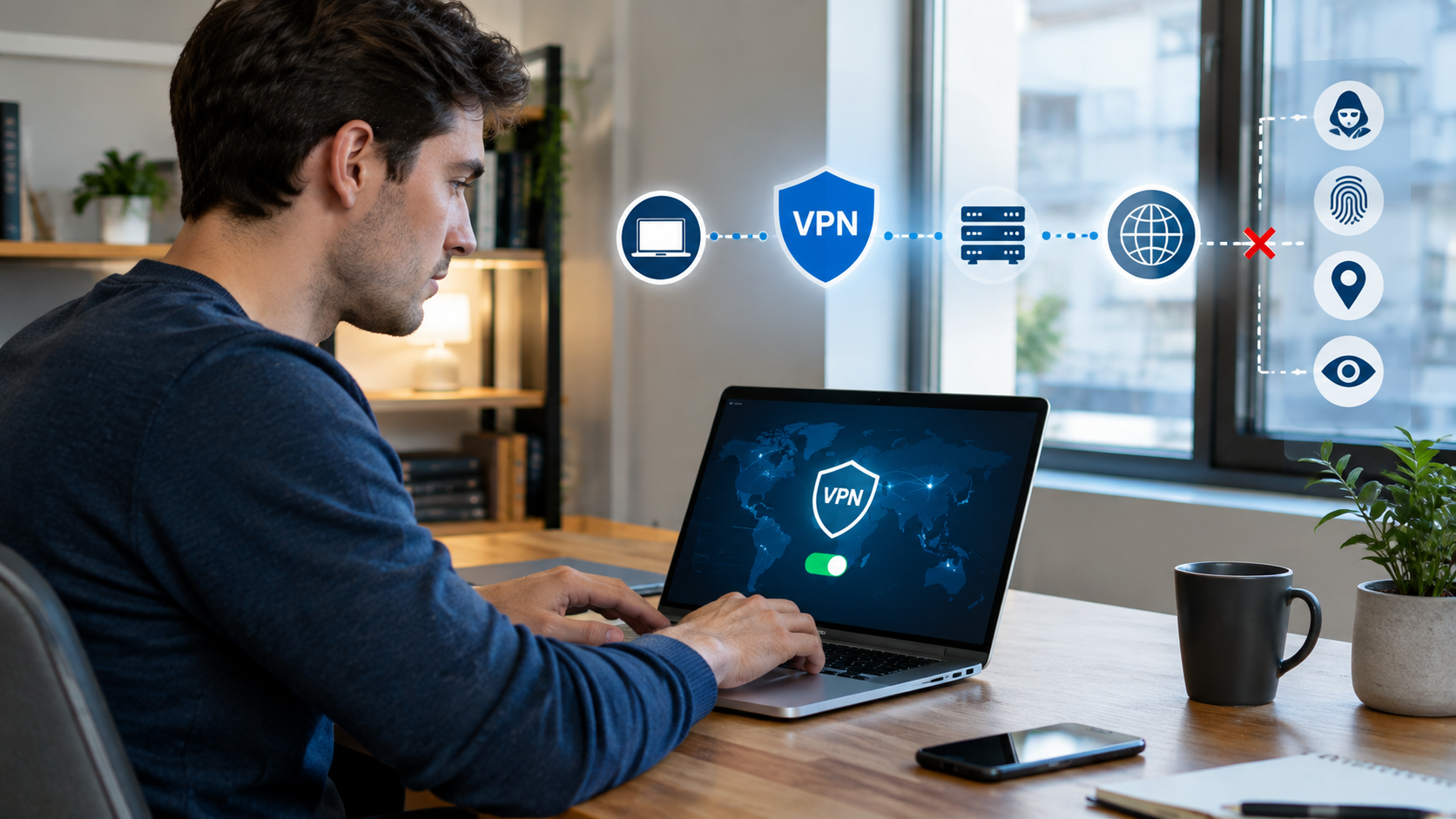
A VPN can help protect your connection when using networks you do not fully trust. It can also make websites see the IP address of the VPN server rather than your normal public IP address.
A VPN does not make you completely anonymous online. Websites can still collect information through accounts, cookies, browser settings, tracking technologies, and other methods.
Check the Provider Before Installing
One of the most important things beginners can do is research the VPN provider before downloading its application.
Search for information about the company’s privacy policy, security practices, ownership, reputation, and history. A professional website with clear information is generally preferable to an unknown application with vague claims.
Read the Privacy Policy
Privacy policies can be lengthy, but you do not need to understand every legal phrase. Look for information about what data the provider collects, how long it keeps that information, and whether it shares data with third parties.
A provider that makes clear privacy information available gives users a better opportunity to understand the service they are using.
Look at Free Plan Limitations
Free VPN services often place restrictions on their free plans. These limitations can include monthly data allowances, fewer server locations, slower speeds, advertisements, limited device connections, or reduced features.
Understanding these restrictions is an important part of choosing Free VPNs for Beginners 2026 With Easy Setup.
Check the Data Allowance
Some free services provide only a limited amount of data each month. This may be enough for occasional browsing but not for frequent video streaming or large downloads.
If you regularly use a VPN, check whether the available data is sufficient for your normal activities.
Consider Connection Speed
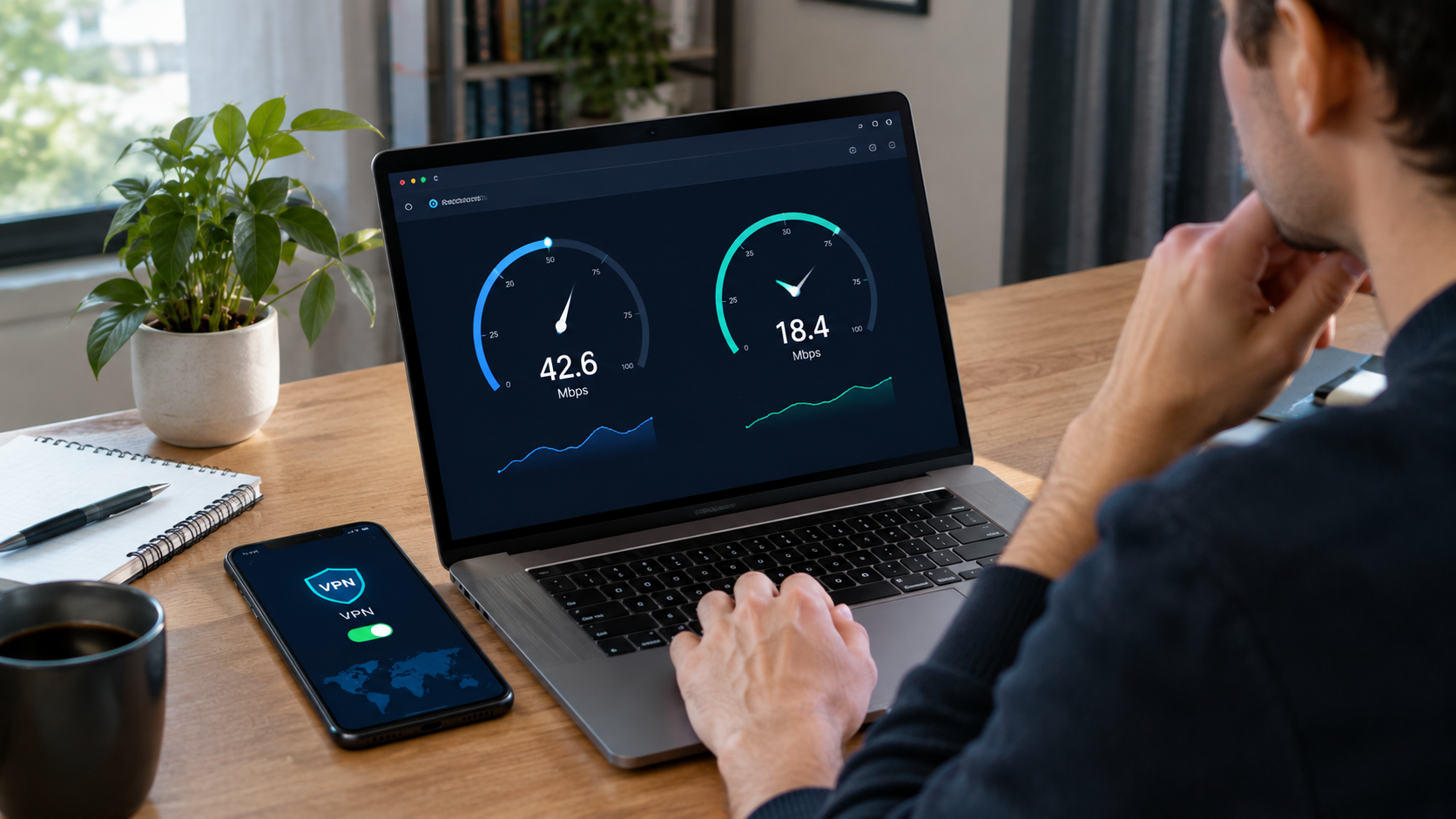
A VPN can sometimes reduce internet speed because your traffic is being encrypted and routed through another server. Free services may have additional limitations when many users share the same servers.
For simple browsing, email, and occasional public Wi-Fi use, a modest reduction may not be a major problem.
Test Before Depending on It
After installing a VPN, test your connection with and without the VPN enabled. Check whether websites load normally and whether everyday activities remain comfortable.
If the connection becomes unreliable, you may need to disconnect when VPN protection is not necessary or consider a different provider.
Use a Reputable App Store
Beginners should avoid downloading VPN applications from random websites or unofficial file-sharing pages.
Use the official website of the provider or a trusted app marketplace whenever possible. Before installing, check the application name, developer information, reviews, and download details.
Watch Out for Lookalike Apps
Cybercriminals can create applications that imitate legitimate services. A familiar-looking logo does not guarantee that an app is genuine.
Check the developer carefully and avoid applications that make unrealistic promises about unlimited privacy, complete anonymity, or guaranteed protection against every online threat.
Install a VPN on Your Device
The basic setup process is usually straightforward. Download the official application, install it, and follow the instructions provided by the provider.
Depending on the service, you may need to create an account or confirm your email address.
Give Only Necessary Permissions
During installation, the application may request certain permissions. Read what it asks for rather than automatically approving everything.
If a VPN requests permissions that appear unrelated to its core function, investigate why they are needed before continuing.
Connect to a VPN Server
Once the application is installed, you will normally see a connection button or a list of available servers.
Tap or click the connection option and wait for the VPN to establish a connection. The application should normally indicate when the connection is active.
Choose a Nearby Server
For general browsing, a nearby server may provide a better balance between speed and connection reliability. A distant server can sometimes increase latency.
You do not necessarily need to choose a server on another continent simply because it is available.
Learn About the Kill Switch
Some VPN applications offer a kill switch feature. When enabled, Free VPNs for Beginners 2026 With it can block internet traffic if the VPN connection unexpectedly drops.
This can be useful for people who want to avoid accidentally sending traffic through their normal connection after a VPN disconnects.
Check Whether It Is Available
Free plans may not include every feature. If a kill switch is important to you, check whether the particular plan and application version support it.
Do not assume that a feature shown on a provider’s premium plan is also available for free users.
Be Careful With Public Wi-Fi
Public Wi-Fi in cafés, airports, hotels, libraries, and other locations can create additional privacy and security concerns.
A VPN can add an extra layer of protection by encrypting traffic between your device and the VPN server.
However, a VPN does not protect you from every threat on a public network.
Use HTTPS Websites
Always pay attention to website security as well. Look for HTTPS when entering sensitive information and avoid entering passwords or financial details into suspicious websites.
A VPN should be considered one part of a broader online security approach.
Do Not Expect Complete Anonymity
One common beginner mistake is assuming that a VPN makes them invisible online. It does not.
When you log into an account, the service can still associate activity with that account. Browser fingerprinting, cookies, device information, and other tracking methods can also reveal information.
This is why Free VPNs for Beginners 2026 With Easy Setup should be viewed as privacy tools rather than magic anonymity solutions.
Understand the Difference
Privacy means having greater control over who can see or collect information about you. Anonymity means making it difficult to associate activity with your identity.
A VPN can contribute to privacy, but it does not guarantee anonymity.
Protect Your VPN Account
If your VPN provider requires an account, protect it like any other important online account.
Use a strong, unique password and enable multi-factor authentication if the provider offers it.
Avoid Reusing Passwords
Using the same password across multiple websites increases your risk if one service suffers a data breach.
A password manager can help create and store unique passwords without requiring you to memorise every one.
Keep the VPN App Updated
Software updates can include security improvements, bug fixes, compatibility changes, and performance improvements.
Do not ignore updates simply because the current version appears to work.
Download Updates From Official Sources
Install updates through the application’s normal update system or the official app marketplace. Avoid downloading unofficial modified versions that claim to provide premium features for free.
Modified applications can create additional security risks.
Know When You Need a VPN
A VPN does not necessarily need to remain connected every second of every day. Your requirements depend on what you are doing and what network you are using.
For example, you may find a VPN particularly useful when connecting to unfamiliar public networks.
Consider Your Everyday Activities
Think about whether you need VPN protection for browsing, remote work, travel, or other activities. Understanding your own usage can help you decide whether the limitations of a free service are acceptable.
If you regularly need large amounts of data, advanced security features, or many server choices, a free plan may eventually feel restrictive.
Understand Streaming and Location Features
Some people look for VPNs because they want to access content available in another region. However, streaming platforms frequently have rules and technical systems designed to detect VPN connections.
A free VPN may not work reliably for these purposes.
Check Service Rules
Always follow the terms and conditions of the websites and services you use. A VPN should not be treated as a way to bypass rules or restrictions that apply to an account.
For ordinary privacy and public Wi-Fi protection, you may not need location-changing features at all.
Watch Out for Suspicious Free Services
The word “free” can be attractive, but there is usually a business model behind a service. Before using a free VPN, investigate how the provider operates.
Some services may offer a free plan to encourage users to upgrade later. Others may use advertising or collect certain information.
Avoid Unrealistic Promises
Be cautious about services promising unlimited speed, complete anonymity, guaranteed access to everything, and perfect security at no cost.
Online privacy involves trade-offs, and responsible providers should explain their limitations rather than making exaggerated claims.
Improve Your Overall Online Security
A VPN should not be your only security measure. Keep your operating system, browser, and applications updated.
Use reputable security software where appropriate, choose strong passwords, enable multi-factor authentication, and avoid suspicious links and attachments.
Secure Your Accounts
Account security is particularly important because a VPN cannot prevent someone from accessing an account if your password has been stolen.
Think of VPN protection as one layer in a wider security strategy.
Decide Whether Free Is Enough
Free VPNs can be useful for beginners who want basic protection without immediately paying for a subscription. However, the right choice depends on your needs.
When comparing Free VPNs for Beginners 2026 With Easy Setup, look beyond the word “free” and consider privacy practices, limitations, security features, speed, server availability, and reputation.
Consider Upgrading Later
If you eventually need more data, additional locations, better performance, or advanced features, you can compare paid plans.
There is no need to pay for features you do not need, but there is also little value in staying with a free service that no longer meets your requirements.
Final Thoughts
Learning how to use a VPN does not have to be complicated. A reputable provider, a straightforward installation process, sensible privacy expectations, and basic security habits can make the experience much easier for beginners.
Free VPNs for Beginners 2026 With Easy Setup can provide a convenient starting point for people who want to explore VPN technology without an immediate subscription. The important thing is to research the provider carefully rather than choosing an application simply because it appears at the top of an app store search.
Remember that a VPN is only one part of online privacy and security. Use strong passwords, enable multi-factor authentication, keep software updated, recognise suspicious websites, and think carefully about the information you share online.
The best VPN setup is one that matches your actual needs. If you only want additional protection on occasional public Wi-Fi networks, a reputable free plan may be sufficient. If you require frequent VPN use, higher data limits, faster connections, or advanced features, you may eventually find that a paid service offers better value.
By understanding what the technology can and cannot do, beginners can use Free VPNs for Beginners 2026 With Easy Setup more confidently and make better decisions about their online privacy.
Frequently Asked Questions(FAQs)
What is a VPN?
A VPN, or virtual private network, creates an encrypted connection between your device and a VPN server. It can help protect your internet traffic and hide your normal public IP address from websites.
Are free VPNs safe for beginners?
Some can be, but not every free VPN is trustworthy. Before installing one, research the provider, privacy policy, security practices, reputation, and limitations of its free plan.
Do free VPNs slow down internet speed?
They can. VPN encryption and server distance may affect performance, while free services can also have crowded servers or speed restrictions.
Can I use a VPN on public Wi-Fi?
Yes. A VPN can add an extra layer of protection when you use public Wi-Fi in places such as cafés, airports, hotels, or libraries.
How do I choose a free VPN?
Look at the provider’s privacy policy, reputation, security features, data limits, server locations, connection speeds, supported devices, and permissions requested by the application.
Is it better to download a VPN from an app store?
Generally, use the provider’s official website or a reputable app marketplace rather than downloading applications from unknown third-party websites. This reduces the risk of installing a modified or malicious application.