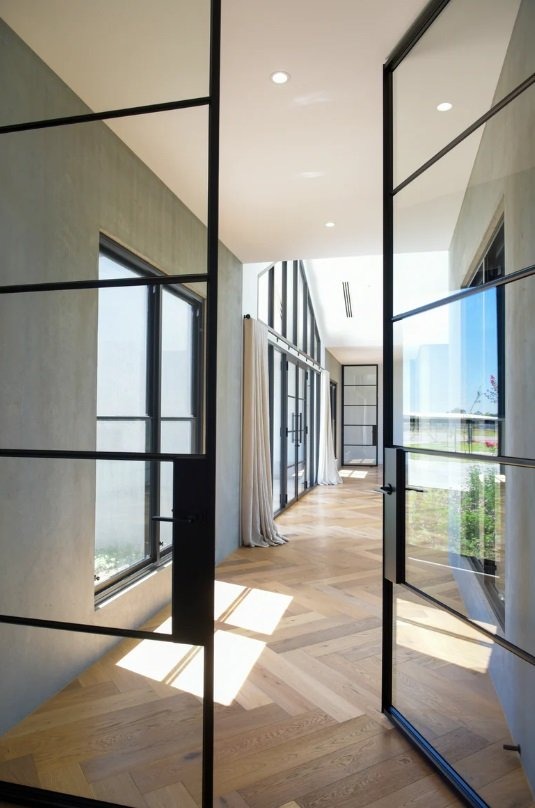

Modern life can feel crowded even when your home is not particularly small. Clothes fill wardrobes, cupboards become packed with things you rarely use, and digital notifications seem to follow you everywhere. Over time, all this extra stuff and constant activity can make everyday life feel more complicated than it needs to be.
Minimalist Lifestyle Tips for Beginners You Can Start Today can help you approach your belongings, routines, spending habits, and living space with more intention. Minimalism is not about owning almost nothing or making your home look completely empty. It is about deciding what genuinely adds value to your life and becoming more comfortable with having less unnecessary clutter.
For beginners, the idea can seem overwhelming at first. You may look around your home and wonder where to start. The good news is that you do not need to change everything in one weekend. Small improvements can gradually create a home and lifestyle that feel calmer, simpler, and easier to manage.
Minimalist Lifestyle Tips for Beginners You Can Start Today
The easiest way to begin is to avoid thinking about minimalism as a huge cleaning project. Instead, treat it as a change in the way you make decisions. Before buying something new, ask whether you genuinely need it. Before keeping something that has been sitting unused for years, consider whether it still has a useful purpose.
Minimalist Lifestyle Tips for Beginners You Can Start Today are most effective when they fit naturally into your existing routine. You do not need to spend hours organising drawers or completely redesigning your home. A few thoughtful decisions each day can eventually make a noticeable difference.
Start With One Small Area
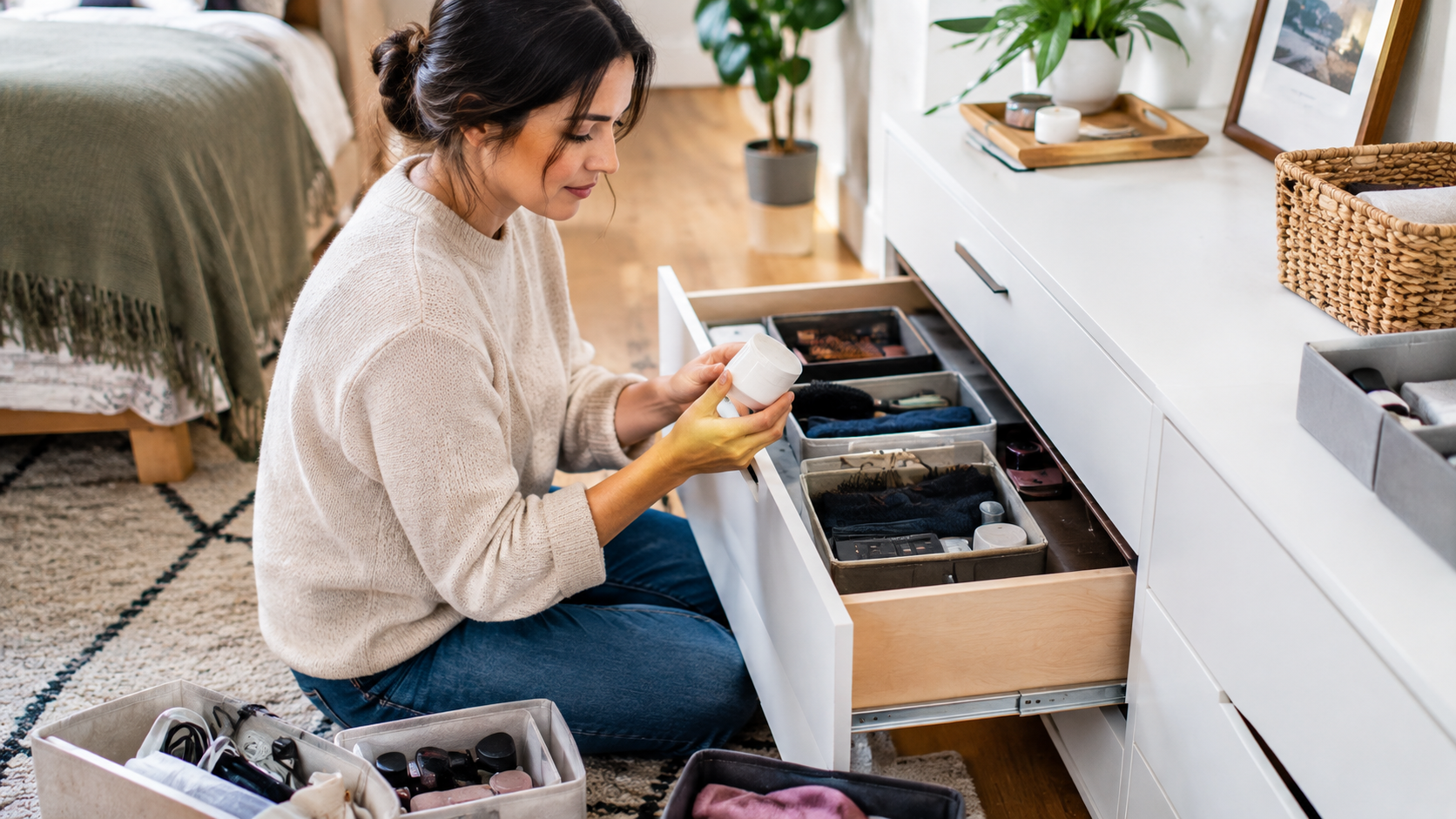
Choosing one small area is often easier than trying to tackle an entire home. A bedside table, kitchen drawer, bathroom shelf, or handbag can be a good starting point.
Remove everything from the chosen area and look at each item individually. Keep what you use and value, while setting aside things that are broken, duplicated, forgotten, or no longer relevant.
The purpose is not to throw things away simply because minimalism sounds appealing. The goal is to create a space where the things you keep have a reason to be there.
Understand What Minimalism Means to You
Minimalism does not have one strict definition. For one person, it might mean having a smaller wardrobe. For another, it could mean reducing unnecessary spending, simplifying their schedule, or keeping their home free from excessive decoration. The important thing is to decide what a simpler lifestyle means for you.
Focus on Value Rather Than Quantity
A common misunderstanding is that minimalism means choosing the cheapest or smallest option available. That is not necessarily true. A high-quality item that you use regularly can be more valuable than several cheaper products that quickly become unnecessary.
Think about usefulness, enjoyment, durability, and frequency of use when deciding what deserves space in your life.
Declutter Without Creating Pressure
Decluttering can feel emotional, particularly when belongings have memories attached to them. Minimalist Lifestyle Tips for Beginners. You do not need to remove everything that does not have a practical purpose.
Some objects have sentimental value, and there is nothing wrong with keeping meaningful possessions. The key is to avoid allowing every old item to become automatically untouchable.
Deal With Easy Decisions First
Start with things you already know you do not need. Expired products, broken items, duplicate kitchen tools, old packaging, unused cables, and clothes that no longer fit can often be easier decisions. Removing obvious clutter creates momentum without forcing you to make difficult emotional choices immediately.
Simplify Your Wardrobe
A wardrobe can become one of the easiest places to notice the benefits of a simpler lifestyle. Many people regularly wear only a small selection of their clothes while keeping much larger collections. Look at what you actually wear rather than what you imagine yourself wearing one day.
Build Around Clothes You Enjoy
Keep clothing that fits properly, feels comfortable, suits your lifestyle, and makes you feel confident. If an item has remained untouched for years, ask yourself what is stopping you from wearing it.
You do not need to follow a strict capsule wardrobe. Simply having fewer unwanted pieces can make choosing an outfit much easier.
Make Your Home Easier to Maintain
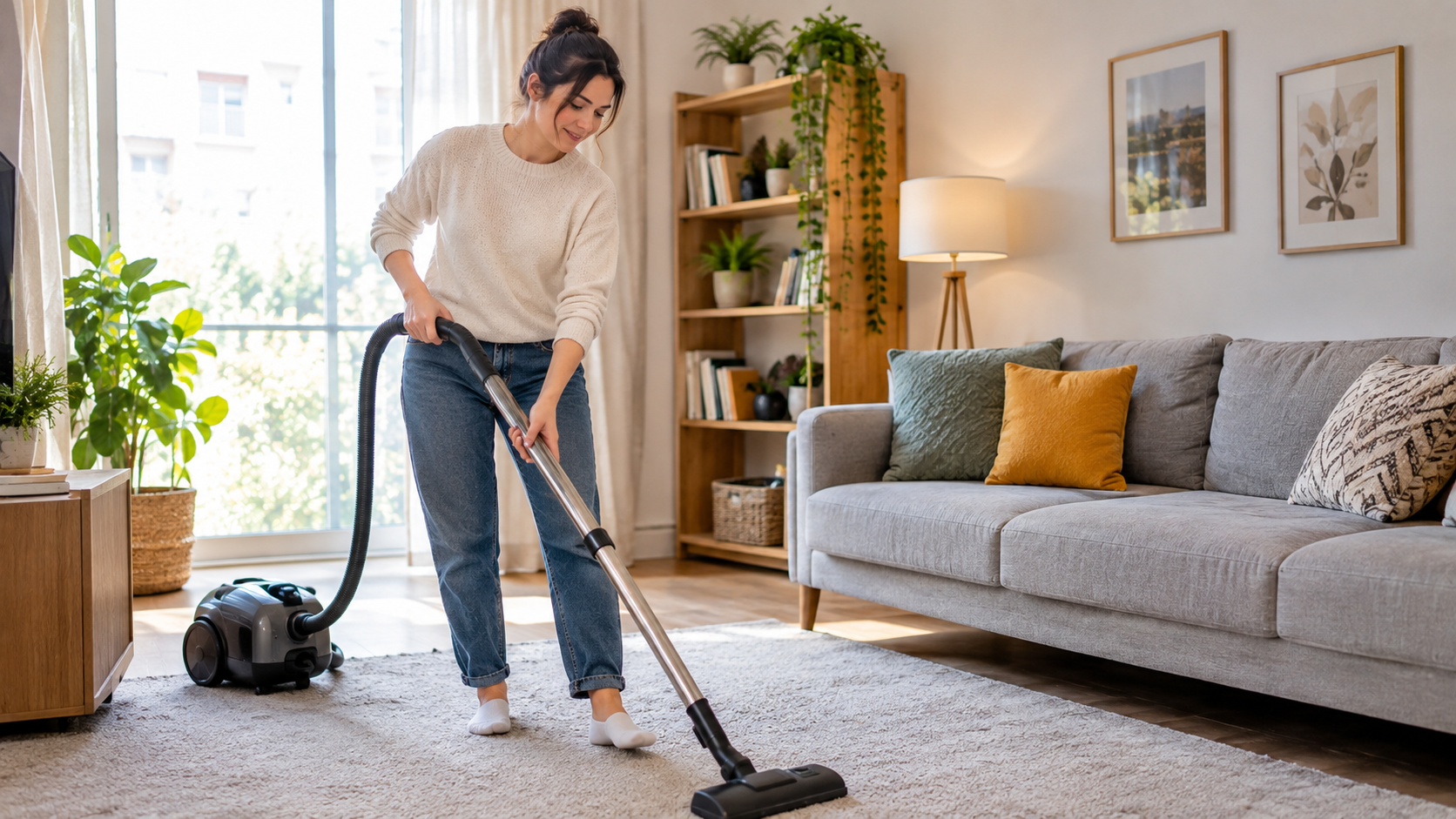
A minimalist home is not necessarily an empty home. It is a space where there is enough room to move around comfortably and where cleaning does not feel like an endless battle.
Minimalist Lifestyle Tips for Beginners You Can Start Today can be particularly useful for reducing the amount of time spent managing household belongings.
Keep Surfaces Manageable
Kitchen worktops, dining tables, desks, and bedside tables can quickly collect miscellaneous items. Keeping these surfaces reasonably clear can instantly make a room feel calmer.
Try returning objects to their usual places after using them. This simple habit prevents small amounts of clutter from becoming a larger problem.
Stop Buying Things on Impulse
Decluttering becomes much harder when new items continually enter your home. Before making a purchase, pause for a moment and ask whether you need it or simply want it because it is currently attractive or discounted.
Sales can create the feeling that you are saving money even when you are spending money on something you would not normally buy.
Try a Waiting Period
For non-essential purchases, consider waiting a day or two before buying.Minimalist Lifestyle Tips for Beginners For more expensive items, give yourself even longer.
If you still want the item after the waiting period and it genuinely fits your needs, the decision is likely to be more considered.
Reduce Digital Clutter
Minimalism does not only apply to physical belongings. Phones, computers, tablets, and email accounts can also become crowded.
Old screenshots, unused applications, unnecessary subscriptions, duplicate files, and hundreds of unread messages can create digital noise.
Organise Your Digital Space
Delete applications you no longer use and remove files that have no purpose. Unsubscribe from emails that you never read and turn off unnecessary notifications.
A quieter phone can make it easier to concentrate and reduce the feeling that you always need to respond to something.
Simplify Your Daily Routine
A busy schedule can be just as overwhelming as a cluttered room. If every day is packed with appointments, errands, social commitments, and tasks, there may be little time left to relax. Minimalism can also mean becoming more selective about how you spend your time.
Leave Space in Your Schedule
You do not need to accept every invitation or fill every free hour. Leaving some unplanned time can help you rest, think, or simply enjoy a slower part of the day. A simpler schedule can sometimes have a greater impact on your wellbeing than reorganising a cupboard.
Be More Intentional With Spending
A minimalist approach to money involves understanding where your income goes and questioning purchases that do not contribute to your priorities.
This does not mean avoiding enjoyable spending. It means making purchases deliberately rather than automatically.
Spend on Experiences and Priorities
If you value travel, hobbies, education, family time, or outdoor activities, you may prefer to direct more of your money towards those areas rather than constantly buying physical products. The right balance will be different for everyone.
Create a Simple Kitchen
The kitchen is another area where unnecessary belongings can accumulate. Gadgets, mugs, containers, utensils, and appliances can easily take over cupboards.
Look at the items you use regularly and identify duplicates or products that have been forgotten.
Keep Everyday Items Accessible
Frequently used plates, pans, utensils, and food products should be easy to reach. Less frequently used items can be stored elsewhere. A practical kitchen is one where you can prepare meals without searching through crowded cupboards.
Make Cleaning Easier
Having fewer unnecessary belongings can make cleaning less demanding. There are fewer surfaces to clear, fewer objects to move, and fewer things collecting dust.
This does not mean you never need to clean. It simply reduces the amount of preparation required before cleaning can begin.
Build Small Cleaning Habits
Instead of waiting for a large cleaning day, deal with small tasks regularly. Wipe surfaces after use, put laundry away, clear the kitchen after meals, and return objects to their places.
Small habits can prevent household maintenance from becoming overwhelming.
Handle Sentimental Items Carefully
Sentimental possessions can be the most difficult part of decluttering. Photographs, letters, gifts, childhood belongings, and family items may carry memories that cannot be replaced. There is no need to remove meaningful things simply to meet an idea of minimalism.
Keep the Most Meaningful Pieces
Instead of keeping every sentimental object, consider selecting the items that genuinely matter most to you. Digital photographs can also help reduce the physical space needed for certain memories, although important originals may still deserve a safe place.
Teach Yourself to Appreciate Less
Minimalism is not only about removing things. It is also about becoming more comfortable with what you already have.
When you stop constantly looking for something new to buy, upgrade, or replace, you may begin to appreciate your existing belongings more.
Minimalist Lifestyle Tips for Beginners You Can Start Today work best when they encourage satisfaction rather than creating another set of strict rules.
Avoid Comparing Your Home
Social media can make it seem as though everyone else has perfectly organised homes, expensive furniture, and beautifully simple interiors.
Remember that online images are often carefully selected. Your home should work for your actual life, not for someone else’s photograph.
Make Minimalism a Gradual Process
You do not need to finish your entire home immediately. In fact, rushing can lead to decisions you later regret. Take your time and allow your habits to change gradually.
Review Your Progress
After several weeks, look at the areas you have already simplified. Notice whether they are easier to clean, easier to use, or simply more pleasant to live in.
These practical improvements can encourage you to continue without making minimalism feel like a chore.
Give Everything a Purpose
One useful question to ask is whether an item has a genuine purpose in your life. That purpose could be practical, emotional, decorative, or connected to a hobby. If something has no meaningful role and has not been used for a long time, it may be worth reconsidering.
Think Before Bringing Something Home
Every purchase becomes something you will eventually need to store, clean, maintain, repair, or replace. This does not mean avoiding purchases altogether. It simply encourages you to think beyond the moment of buying.
Create a Calmer Bedroom
The bedroom should be a place where you can relax and sleep comfortably. Excessive clutter can make it harder to create that atmosphere. Keep unnecessary objects off the floor and reduce the number of items competing for attention.
Keep the Bedside Area Simple
A lamp, book, phone charger, and perhaps a few personal items may be all you need beside the bed. A clear bedside table can make the room feel more peaceful at the end of the day.
Avoid Making Minimalism Competitive
There is no prize for owning the fewest possessions. Someone else’s version of minimalism does not need to become your target. The purpose is to create a lifestyle that feels manageable and meaningful to you.
Find Your Own Balance
You can enjoy books, clothes, decorations, hobbies, technology, and collections while still living more simply. The important question is whether these things add value or create unnecessary stress.
Minimalist Lifestyle Tips for Beginners You Can Start Today should help you make better choices, not make you feel guilty about the belongings you already own.
Final Thoughts
Minimalism is best understood as a practical way of being more intentional with your belongings, money, time, and attention. You do not need to empty your home or completely change your personality to benefit from it.
The most useful Minimalist Lifestyle Tips for Beginners You Can Start Today are often the simplest ones. Start with one drawer, one shelf, or one category of belongings. Remove obvious clutter, become more thoughtful about purchases, simplify your routines, and create spaces that are easy to maintain.
Over time, these small changes can make everyday life feel lighter. You may spend less time searching for things, cleaning unnecessary clutter, making unwanted purchases, or managing an overcrowded schedule.
A minimalist lifestyle is not about having less for the sake of having less. It is about making room for the things that genuinely matter. When your surroundings and routines support your priorities, simplicity can become less of a project and more of a natural part of everyday life.
Frequently Asked Questions(FAQs)
What is a minimalist lifestyle?
A minimalist lifestyle focuses on being intentional about what you own, how you spend your time, and what you allow into your daily routine. It is about reducing unnecessary distractions rather than simply owning as little as possible.
Do I need to get rid of most of my belongings?
No. Minimalism does not require you to remove everything you own. The aim is to keep possessions that are useful, meaningful, or genuinely valuable to your life.
How can minimalism save money?
Being more intentional about purchases can reduce impulse spending. Waiting before buying non-essential items can help you decide whether something is genuinely worth the cost.
Can I still enjoy shopping while living minimally?
Yes. A simpler lifestyle does not mean avoiding shopping completely. It encourages you to make considered purchases rather than buying things simply because they are discounted or fashionable.
Does minimalism only apply to the home?
No. The same principles can be applied to your wardrobe, digital files, phone, schedule, finances, hobbies, and other areas of everyday life.
How can I make my home easier to maintain?
Reduce unnecessary belongings, keep frequently used surfaces clear, return items after use, and develop small cleaning habits that prevent clutter from building up.