

Starting a storage business may sound complicated when you have never owned or managed a property-based company before. You may wonder how to find the right location, understand planning rules, attract customers, set prices, manage security, and control costs. The good news is that you do not need years of industry experience to learn the basics and build a sensible business plan.
The storage industry is built around a simple need: people and businesses often require additional space. Home moves, renovations, downsizing, business expansion, seasonal belongings, and changes in personal circumstances can all create demand for storage. This can make the sector appealing to first-time entrepreneurs who are willing to research carefully and manage the financial risks.
Learning how to start a storage unit business without previous experience is mainly about breaking the process into manageable stages. You need to understand the market, choose a suitable property, research regulations, calculate costs, plan the facility, and create a reliable customer experience.
How to Start a Storage Unit Business
The first step is to learn how the industry works before spending significant money. Visit existing storage facilities, study their websites, compare their prices, and pay attention to the services they offer. This practical research can help you understand what customers expect.
When learning how to start a storage unit business, do not assume that every storage facility operates in exactly the same way. Some focus on traditional self-storage rooms, while others use containers, outdoor storage, business units, or specialised facilities.
Learn the Basic Business Model
Most storage businesses generate income by renting individual units to customers for recurring periods. The customer pays for the space, while the business manages the property, security, maintenance, administration, and customer service.
The model can look straightforward, but profitability depends on factors such as land costs, construction expenses, occupancy levels, pricing, financing, insurance, maintenance, and local demand.
Research the Local Market
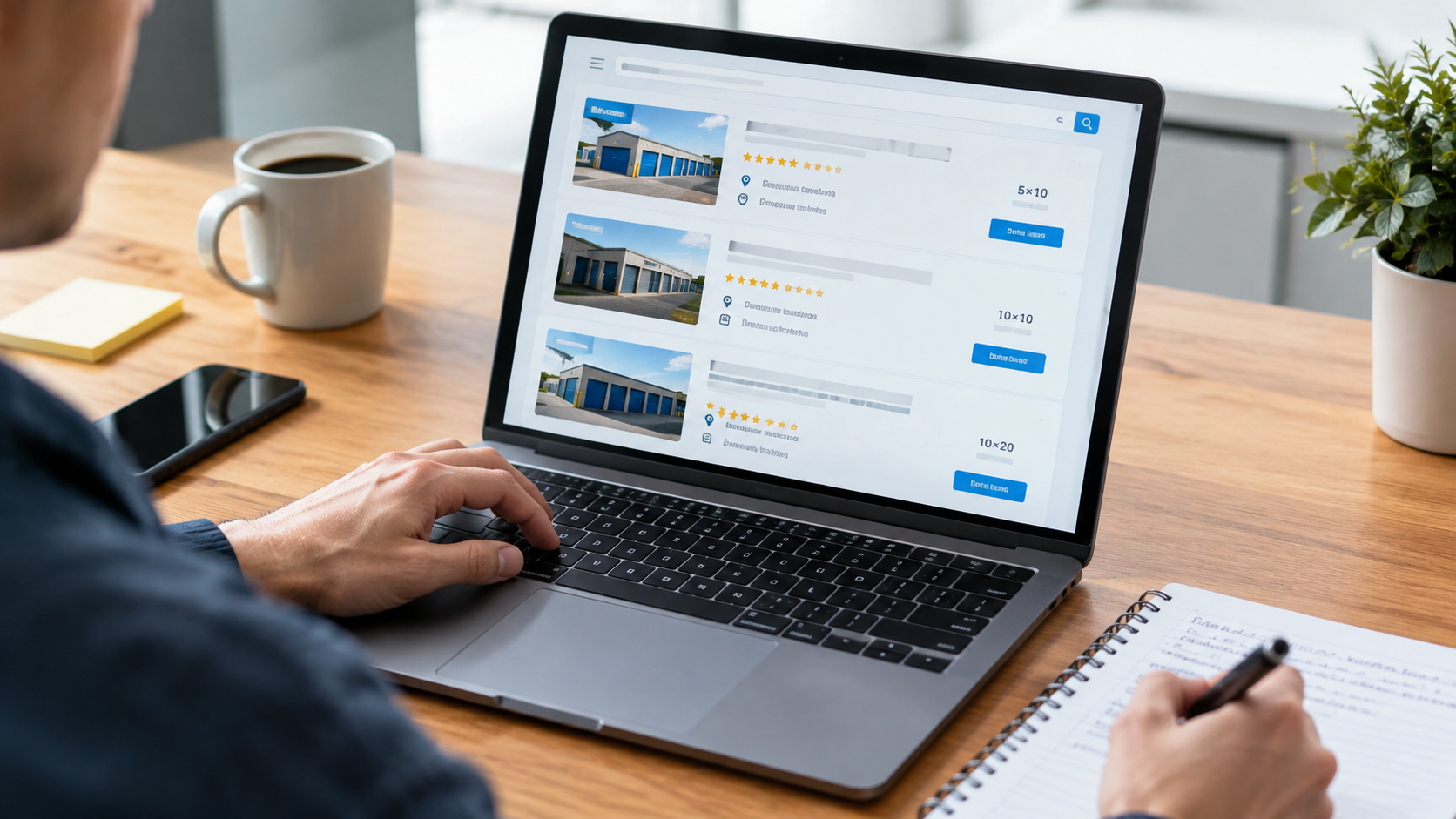
Before choosing a location, find out whether people in the area actually need additional storage. Search for existing facilities and compare their unit sizes, prices, locations, opening hours, security features, and customer reviews.
A first-time entrepreneur can learn a great deal by looking at what established businesses are doing well and where customers appear to have complaints.
Study Local Demand
Population growth, new housing developments, rental properties, businesses, universities, and commercial activity can all influence storage demand. Areas experiencing change may offer opportunities, but competition still needs to be considered.
Do not rely solely on population figures. A location with many residents may already have plenty of storage options, while a smaller area with limited competition could provide a stronger opportunity.
Choose a Suitable Location
Location is one of the most important decisions in a storage business. Customers usually want a facility that is easy to reach and convenient to use.
When considering how to start a storage unit business, look for good road access, suitable visibility, practical vehicle movement, and enough space for the planned development.
Consider Nearby Customers
Think about who is most likely to rent your units. Residential areas may create demand from households, while commercial districts can provide customers looking for stock, equipment, documents, or business supplies.
The ideal location will depend on the type of storage facility you plan to operate.
Understand Planning Requirements
One of the biggest mistakes a new entrepreneur can make is purchasing land before understanding whether the proposed development is permitted.
Planning rules vary by location, and storage facilities may require planning permission, building approvals, drainage arrangements, environmental considerations, access approvals, or other permissions.
Get Professional Advice

If you have no property development experience, speaking with a planning professional can be extremely valuable. A solicitor, surveyor, architect, or planning consultant may also help you identify issues that are not obvious when viewing a site.
Professional fees may feel like an additional expense, but discovering a major planning problem after purchasing land can be far more costly.
Create a Realistic Business Plan
A business plan gives you a clearer picture of what you are trying to build. It should explain the target market, proposed location, facility type, estimated costs, pricing strategy, marketing approach, expected occupancy, and financial forecasts.
For anyone researching how to start a storage unit business, the financial section deserves particular attention.
Calculate Your Startup Costs
Potential expenses can include land, professional fees, planning applications, construction, storage units, fencing, gates, CCTV, lighting, access systems, signage, insurance, software, utilities, advertising, and working capital.
The exact amount required can vary enormously depending on the scale and type of facility.
Keep a Contingency Fund
Unexpected expenses are common in property-related projects. Ground conditions, construction changes, delays, planning requirements, material costs, or repairs can increase the original budget.
A contingency reserve gives the business more breathing room if costs rise.
Decide What Type of Units to Offer
Customers have different storage requirements, so offering several unit sizes can help you serve a broader market.
Some people may only need a small room for boxes, while families moving house may require substantially more space. Businesses may also need larger units for stock or equipment.
Start With a Practical Mix
You do not necessarily need to offer every possible unit size. Study competitors and local demand to determine which sizes appear most popular.
A carefully planned mixture can make better use of the available space while giving customers useful choices.
Focus on Security
Security is a major concern for storage customers. They are trusting the facility with possessions that may have financial or sentimental value.
A professional storage site may use perimeter fencing, how to start a storage unit business, secure gates, CCTV, lighting, alarms, controlled access, and other appropriate security measures.
Make Customers Feel Confident
Security features should not simply exist; customers should understand them. Explain access arrangements and security measures clearly through your website, signage, and rental information.
A clean and well-maintained facility can also create a stronger impression of reliability.
Make Access Convenient
Convenience is one of the reasons people choose self-storage instead of keeping belongings elsewhere. Customers need to be able to reach their units without unnecessary difficulty.
Think carefully about opening hours, vehicle access, loading areas, corridors, lifts if relevant, and the general layout of the facility.
Plan for Different Vehicles
Customers may arrive in cars, vans, or larger vehicles depending on what they are storing. The site should be designed around the types of vehicles you realistically expect. Good access can improve the customer experience and make moving belongings in and out much easier.
Set Sensible Prices
Pricing should be based on research rather than guesswork. Compare local competitors and consider their location, security, unit sizes, facilities, access hours, and customer service.
You do not always need to offer the lowest price. A facility that provides strong convenience and service may be able to compete through value rather than cheap pricing.
Consider Introductory Offers
New facilities sometimes use introductory deals to attract their first customers. These can help generate awareness, but discounts should be planned carefully.
A temporary promotion should have a clear purpose rather than simply reducing prices without considering long-term revenue.
Build an Online Presence
Even a local storage facility needs a strong online presence. Many customers search online when they suddenly realise they need additional space.
Your website should make it easy to understand the location, available unit sizes, prices, access arrangements, security, and booking process.
Use Local Search Marketing
Optimise your website and business profile for relevant local searches. Accurate contact details, useful photographs, clear information, and genuine customer reviews can help potential customers make a decision.
Local visibility can be especially important for a facility that serves people within a particular driving distance.
Make Booking Simple
Customers who need storage often want a quick solution. A complicated enquiry process can encourage them to look elsewhere. Consider providing an online enquiry form, telephone contact, email support, or online booking where appropriate.
Give Clear Information
Explain the rental terms, payment arrangements, access details, unit dimensions, security arrangements, and any additional charges before the customer commits. Transparency helps establish trust and can reduce disputes later.
Understand Insurance and Contracts
A storage business needs appropriate insurance and clear customer agreements. The exact requirements depend on the nature of the facility, property, staff, services, and local laws.
If you are inexperienced, professional advice can help you understand the risks and create appropriate documentation.
Explain Storage Rules
Customers should know what they can and cannot store. Rental agreements should clearly explain relevant restrictions, payment requirements, access rules, responsibilities, and termination arrangements.
Avoid creating your own legal documents without understanding whether they comply with applicable requirements.
Plan Your Staffing Needs
A storage business does not necessarily require a large team, particularly if technology can handle access control, bookings, payments, and routine communication. However, staffing requirements depend on the size and operating model of the facility.
Use Technology Wisely
Digital booking systems, automated payment reminders, electronic access controls, CCTV monitoring, and customer management software can reduce routine administration.
Technology should make the business easier to operate rather than introduce unnecessary complexity.
Keep the Facility Well Maintained
A customer may be renting a simple storage unit, but they still expect a clean, safe, and professional environment. Regular maintenance should cover lighting, gates, fencing, doors, drainage, signs, corridors, grounds, and other important areas.
Prevent Small Problems
A broken light or damaged gate may seem minor, but leaving problems unresolved can affect customer confidence. Regular inspections allow you to identify issues before they become more expensive.
Good maintenance can also protect the long-term value of the property.
Plan for Occupancy
A new storage facility may not be full immediately. It can take time to build awareness, generate reviews, establish local visibility, and attract regular customers.
When considering how to start a storage unit business, prepare financial forecasts for different occupancy levels rather than assuming every unit will be rented quickly.
Be Patient With Growth
Your business may start slowly and gradually build momentum. Monitor occupancy by unit size and adjust pricing or marketing where necessary.
If certain units remain empty while others are consistently in demand, your future development plans can take this information into account.
Learn From Your Customers
Customer feedback can become one of your most useful sources of information. Ask what customers like about the facility and where they think improvements could be made. You may discover opportunities to improve access, communication, pricing, cleanliness, or additional services.
Build a Good Reputation
Positive reviews can be particularly valuable for a local storage business. Customers are more likely to trust a facility when they can see genuine experiences from other people. Good service also encourages recommendations, which can be an affordable source of new business.
Consider Additional Services
Once the core operation is established, you may identify opportunities to provide related products or services. Depending on your market and business model, these could include boxes, tape, locks, protective materials, moving supplies, or vehicle storage.
The key is to offer something that genuinely helps your existing customers.
Keep Extras Relevant
Additional revenue should complement the storage operation. Avoid adding complicated services simply because they appear profitable elsewhere. Start with simple options that solve common customer problems.
Avoid Common Beginner Mistakes
First-time entrepreneurs can make costly mistakes by rushing into property purchases, underestimating construction costs, ignoring planning restrictions, choosing poor locations, or setting unrealistic occupancy targets.
Another common mistake is focusing entirely on the physical facility while overlooking marketing and customer service.
Learn Before You Spend
One of the strongest ways to approach how to start a storage unit business is to spend time learning before committing significant capital.
Visit facilities, speak with professionals, research competitors, study financial models, and understand the risks. Knowledge gained before investing can save considerable money later.
Final Thoughts
Learning how to start a storage unit business with no previous experience is possible, but it requires patience, research, and careful financial planning. You do not need to know everything on day one. You need to know what questions to ask and where to obtain reliable professional advice.
Start by researching your local market and understanding the type of customers you want to serve. Then investigate suitable locations, planning requirements, construction costs, security, insurance, pricing, marketing, and ongoing operating expenses.
A storage facility can become a long-term business with recurring rental income, but it is still a property investment with meaningful financial risks. Take time to test your assumptions and create realistic forecasts before committing your money.
Most importantly, do not let a lack of experience stop you from learning. With careful preparation, professional guidance, sensible budgeting, and a strong focus on customers, a first-time entrepreneur can build the knowledge needed to operate a successful storage business.
Frequently Asked Questions(FAQs)
Can I start a storage business without previous experience?
Yes. You can learn the industry through market research, competitor analysis, professional advice, and careful financial planning before investing.
What types of storage units should I offer?
A mixture of small, medium, and larger units can help serve different customers. The ideal combination should be based on local demand and competitor research.
Do storage facilities need strong security?
Yes. Customers want confidence that their belongings are protected. Appropriate fencing, lighting, CCTV, controlled access, alarms, and regular maintenance can improve security.
How can I attract my first storage customers?
A professional website, local search optimisation, clear pricing, introductory offers, business partnerships, signage, and genuine customer reviews can help generate early enquiries.
Should I buy land before checking planning requirements?
No. Planning restrictions should be investigated before committing to a property purchase. Professional planning advice can help identify potential problems early.
Can technology reduce the work involved in running a storage facility?
Yes. Online bookings, automated payments, electronic access systems, CCTV, and customer management software can reduce routine administration and make operations more efficient.