

In today’s fast-changing business world, the role of an entrepreneur has expanded far beyond starting a company. Modern entrepreneurs are planners, decision-makers, leaders, and problem-solvers. This is why many experts believe that entrepreneurship is management, especially in modern businesses. Entrepreneurs are no longer just idea generators; they actively manage people, resources, risks, and growth on a daily basis.
Understanding how entrepreneurship is management helps explain why successful businesses depend so heavily on strong leadership and organisational skills. In this article, we explore how entrepreneurship works as a form of management in modern businesses, using simple explanations and real-world thinking that is easy to understand.
Understanding the Meaning of Entrepreneurship in Modern Times
Entrepreneurship is often described as the process of starting and running a business by identifying opportunities and taking risks. In modern businesses, this definition goes much deeper. Entrepreneurs must manage finances, teams, operations, and long-term goals. Because of this, entrepreneurship is management, not a separate or isolated activity.
Unlike traditional business owners of the past, modern entrepreneurs are involved in every major decision. They plan strategies, organise resources, guide employees, and monitor performance. These are the same responsibilities expected from professional managers, which clearly shows how closely entrepreneurship and management are connected today.
Why Entrepreneurship Is Management in Practice
In real business environments, entrepreneurship cannot function without management. A business idea alone does not guarantee success. Entrepreneurs must turn ideas into action, and this requires management skills. Planning business activities, setting targets, allocating budgets, and solving problems are all management tasks handled by entrepreneurs.
This is why many business thinkers agree that entrepreneurship is management in practice. Entrepreneurs manage uncertainty by making informed decisions and adjusting strategies when conditions change. In modern businesses, this flexibility is essential for survival and growth.
The Planning Role of Entrepreneurs
Planning is one of the strongest links between entrepreneurship and management. Entrepreneurs set the direction of the business by defining goals and deciding how to achieve them. They analyse market conditions, study competitors, and plan future actions.
In modern businesses, planning is continuous. Entrepreneurs regularly review their strategies to respond to new technologies, customer demands, and economic changes. This planning responsibility further proves that entrepreneurship is management, as planning is a core function of management.
Organising Resources in Modern Businesses
Another key reason why entrepreneurship is management lies in how entrepreneurs organise resources. Resources include money, time, technology, and people. Entrepreneurs must ensure that these resources are used effectively to achieve business objectives.
Modern businesses often operate with limited resources, especially startups and small firms. Entrepreneurs manage these limitations by prioritising tasks and finding efficient ways to operate. This careful organisation of resources reflects classic management principles applied through entrepreneurship.
Leadership and Decision-Making
Leadership is a major responsibility of both entrepreneurs and managers. Entrepreneurs guide their teams, motivate employees, and build a shared vision for the business. In modern businesses, employees often look directly to entrepreneurs for direction and inspiration.
Decision-making is also central to this role. Entrepreneurs make daily decisions related to pricing, hiring, marketing, and investment. These decisions shape the future of the business. This active leadership role clearly shows that entrepreneurship is management in action.
Risk Management and Problem Solving
Risk is unavoidable in business, but managing risk is a skill. Entrepreneurs constantly assess risks related to finance, competition, and market demand. Instead of avoiding risk completely, they manage it through planning and careful decision-making.
Modern entrepreneurs also act as problem solvers. When challenges arise, such as supply issues or customer complaints, they respond quickly and strategically. This ability to handle risk and problems strengthens the idea that entrepreneurship is management rather than just innovation.
Entrepreneurship Is Management in Growing Businesses
As businesses grow, the management role of entrepreneurs becomes even more important. Growth brings complexity, including larger teams, increased competition, and higher financial responsibility. Entrepreneurs must adapt their management style to handle expansion.
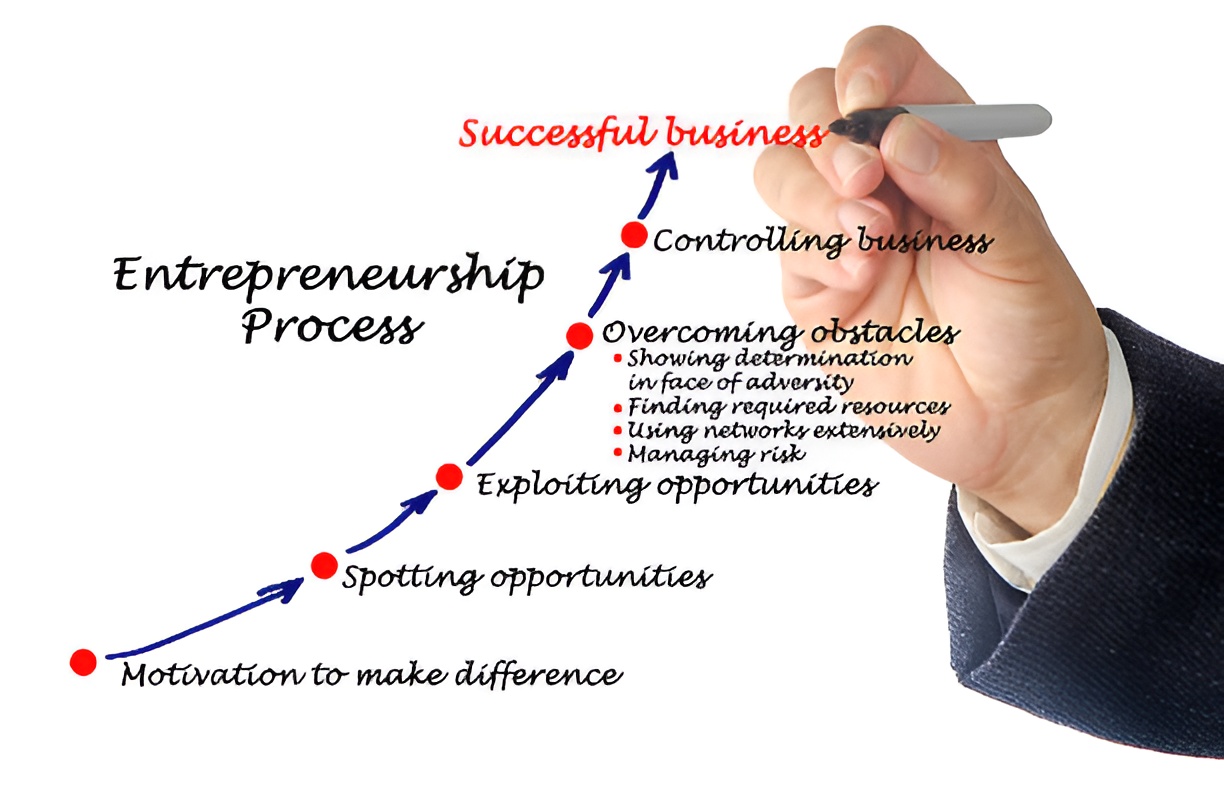
In modern businesses, growth often depends on how well entrepreneurs manage change. They must introduce systems, delegate tasks, and maintain quality. This transition from startup to established business highlights how entrepreneurship is management throughout every stage of business development.
Use of Technology and Modern Tools
Modern entrepreneurs rely heavily on technology to manage their businesses. From accounting software to project management tools, technology supports planning, monitoring, and decision-making. Entrepreneurs use data to track performance and improve efficiency.
This use of modern tools shows that entrepreneurship is management supported by technology. Entrepreneurs combine innovation with structured management practices to stay competitive in fast-moving markets.
Comparison with Traditional Management
Traditional management often involves working within an existing organisational structure. Entrepreneurship, on the other hand, involves creating and shaping that structure. Despite this difference, both roles share the same core responsibilities.
Modern businesses blur the line between entrepreneur and manager. Entrepreneurs perform management tasks while also driving innovation. This overlap strengthens the argument that entrepreneurship is management adapted to dynamic business environments.
Importance of Management Skills for Entrepreneurs
Successful entrepreneurs understand the importance of developing management skills. Creativity alone is not enough. Entrepreneurs must learn how to manage people, finances, and operations effectively.
Training, experience, and continuous learning help entrepreneurs improve their management abilities. In modern businesses, those who combine entrepreneurial thinking with strong management skills are more likely to succeed.
Why This Concept Matters Today
Understanding that entrepreneurship is management helps students, business owners, and professionals develop realistic expectations. It shows that entrepreneurship is not only about starting a business but also about managing it responsibly.
This perspective encourages aspiring entrepreneurs to focus on leadership, planning, and organisation from the beginning. In modern businesses, these skills are essential for long-term success.
Final Thoughts
In modern business environments, the idea that entrepreneurship is management is more relevant than ever. Entrepreneurs plan, organise, lead, and control business activities, just like managers. The difference lies in their ability to innovate while managing uncertainty.
As businesses face constant change, entrepreneurs who embrace their management role are better prepared to succeed. Understanding how entrepreneurship functions as management provides a clearer picture of what it truly takes to build and sustain a modern business.