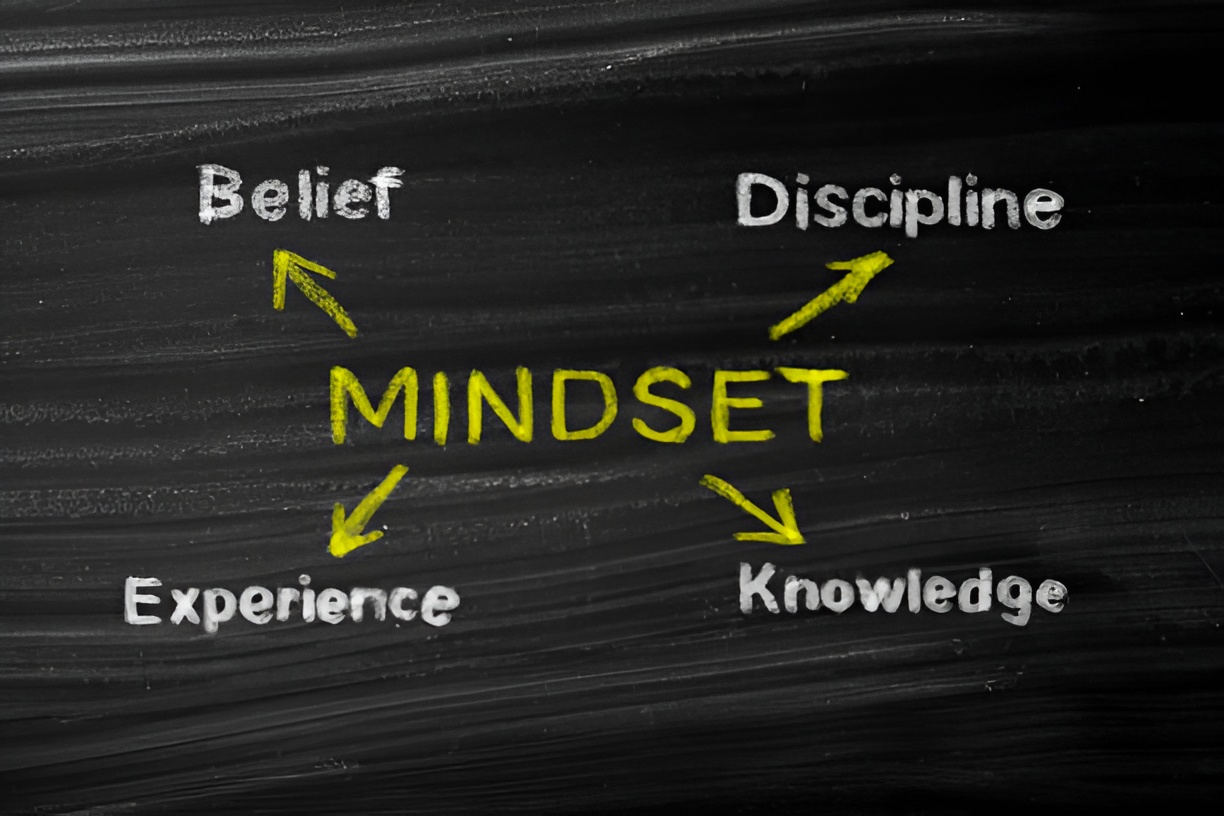

Self-discipline is often described as the ability to stay focused and do what needs to be done, even when motivation is low. It plays an important role in work, education, personal goals, finances, fitness, and everyday responsibilities. However, self-discipline is not something that only a naturally organised or highly motivated person can develop. It is a skill that can become stronger through consistent practice.
The good news is that you do not need to completely change your lifestyle overnight. Small actions repeated regularly can gradually improve the way you manage your time, attention, responsibilities, and choices. Daily Habits to Improve Self-Discipline in Simple Steps can help turn good intentions into practical routines that are easier to maintain.
Many people struggle with self-discipline because they expect themselves to make major changes immediately. They create strict schedules, set unrealistic goals, and then feel disappointed when they cannot maintain them. A better approach is to start small, build consistency, and gradually increase the level of challenge.
Daily Habits to Improve Self-Discipline in Simple Steps
Building discipline begins with understanding that motivation and discipline are not the same thing. Motivation can come and go depending on your mood, energy, circumstances, or environment. Discipline helps you continue with important tasks even when you do not particularly feel like doing them.
Daily Habits to Improve Self-Discipline in Simple Steps work best when they are realistic. A routine that takes five minutes and is followed consistently can be more useful than an ambitious plan that lasts only three days.
Start Your Day With One Clear Goal

A busy morning can quickly become distracting when you have too many things competing for your attention. Instead of trying to complete everything immediately, identify one important task that deserves your attention first.
This creates a clear direction and reduces the temptation to spend the morning jumping between unrelated activities.
Create a Simple Morning Routine
A predictable morning routine can help you begin the day with purpose. It does not need to involve waking up extremely early or following a complicated schedule.
You might make your bed, drink water, get dressed, review your priorities, and begin your most important task. The exact routine matters less than making it consistent.
Avoid Your Phone First Thing
Checking social media, messages, or entertainment immediately after waking can make it harder to concentrate. Notifications can quickly pull your attention away from your priorities.
Consider giving yourself some quiet time before checking your phone. Even a short delay can help you begin the day more intentionally.
Set Smaller Goals
Large goals can feel intimidating because the final result may seem far away. Breaking them into smaller actions makes progress easier to see.
For example, instead of deciding to completely reorganise your life, choose one specific task that can be completed today.
Focus on the Next Action
Ask yourself what needs to happen next rather than thinking about the entire project at once. Completing one manageable action creates momentum and makes the next step feel less difficult.
This approach is particularly helpful when you are dealing with work, study, household responsibilities, or long-term projects.
Use a Consistent Schedule
A schedule can reduce the number of decisions you need to make during the day. When certain tasks happen at roughly the same time, they can gradually become part of your normal routine.
The purpose is not to control every minute. Instead, create enough structure to keep important responsibilities from being forgotten.
Leave Some Flexibility

A useful schedule should allow for unexpected events. If your routine is so strict that one change ruins the entire day, it may be too demanding. Leave some space between activities and be prepared to adjust your plan when necessary.
Remove Common Distractions
Discipline becomes easier when your environment supports your goals. If your phone, television, games, or social media are constantly available while you are working, resisting them requires additional effort.
One of the most practical Daily Habits to Improve Self-Discipline in Simple Steps is to reduce distractions before beginning an important task.
Create a Focused Environment
Keep only the items you need for the task in front of you. Put your phone somewhere less accessible if you do not need it.
A clean and focused workspace can make it easier to stay with one activity instead of constantly looking for something else to do.
Practise the Five-Minute Start
Sometimes the hardest part of a task is starting. You may know exactly what needs to be done but keep delaying it because the task feels boring, difficult, or uncomfortable.
Tell yourself that you will work on it for just five minutes. Once you begin, continuing often becomes easier.
Use Momentum to Your Advantage
The first few minutes can break the mental barrier around a task. You may discover that it is less difficult than you expected.
Even when you stop after five minutes, you have still made progress, which is better than spending the entire period avoiding the task.
Keep Promises to Yourself
Self-discipline grows when you learn to trust your own decisions. If you repeatedly make commitments to yourself and ignore them, it becomes harder to take your own plans seriously. Start with promises that are small enough to keep.
Choose Realistic Commitments
Instead of saying you will exercise for an hour every day, you might commit to moving for ten minutes. Instead of promising to study all evening, choose a specific period that you can realistically complete.
Keeping smaller commitments builds confidence and makes it easier to take on bigger challenges later.
Build a Habit of Finishing Tasks
Starting several tasks without completing them can create mental clutter. Whenever possible, finish small tasks before immediately moving on to something else.
This does not mean every project must be completed in one sitting. It means giving yourself a clear stopping point and avoiding unnecessary task-hopping.
Use Short Work Sessions
If a task is large, divide it into focused sessions. Work for a reasonable period, Daily Habits to Improve Self-Discipline, take a short break, and then return to it. This can make demanding work feel more manageable while protecting your concentration.
Make Your Bed and Tidy Your Space
Simple household habits can contribute to a stronger sense of order. Making your bed, putting clothes away, clearing your desk, or washing dishes after a meal may seem unrelated to self-discipline, but these actions provide regular opportunities to practise consistency.
The goal is not to create a perfect home. It is to become comfortable with completing small responsibilities instead of continually postponing them.
Reset Your Space Each Evening
A few minutes of tidying before bed can make the following morning easier. Put everyday items back where they belong and clear the areas you use most. Starting the next day with a reasonably organised environment can reduce unnecessary distractions.
Learn to Delay Instant Rewards
Modern life provides endless opportunities for immediate entertainment. Social media, online videos, games, shopping, and other distractions can provide quick rewards while important goals often require patience.
Learning to delay a small reward until after completing an important task can strengthen self-control.
Reward Completed Work
You do not have to remove enjoyable activities from your life. Instead, connect some rewards to completed responsibilities.
For example, you might watch a favourite programme after finishing your study session or enjoy some leisure time after completing your main work.
Track Your Progress
Tracking can help you notice patterns and maintain consistency. You could use a notebook, calendar, planner, or simple digital system to record whether you completed a particular habit. Seeing a series of completed days can provide encouragement.
Do Not Chase Perfect Streaks
Missing one day does not mean you have failed. Daily Habits to Improve Self-Discipline The danger comes from allowing one missed day to become several weeks of inactivity. If you break a routine, simply return to it at the next reasonable opportunity.
Improve Your Sleep Routine
Poor sleep can make self-discipline more difficult because tiredness affects concentration, patience, and decision-making.
A consistent bedtime and wake-up routine can help you feel more prepared to manage responsibilities during the day.
Create a Calmer Evening
Reduce unnecessary stimulation before bed. Put away work when possible, limit excessive screen use, and give yourself time to relax. A good evening routine can support a better morning routine, creating a useful cycle of consistency.
Look After Your Energy
Discipline is easier when you have enough physical and mental energy. Regular movement, balanced meals, hydration, and adequate rest can support your ability to concentrate.
This does not mean following an extreme lifestyle. Simple, sustainable choices are often easier to maintain.
Take Useful Breaks
A break should help you recover rather than simply replace one distraction with another. Stretching, walking, drinking water, or sitting quietly for a few minutes can give your mind a chance to reset.
Returning to work with renewed attention can be more productive than forcing yourself to continue when concentration has disappeared.
Learn From Missed Goals
Everyone has days when discipline disappears. You may oversleep, procrastinate, become distracted, or simply decide that you cannot be bothered. Instead of using one difficult day as evidence that you lack discipline, look at what caused the problem.
Identify the Trigger
Perhaps the task was too large, your schedule was unrealistic, or there were too many distractions nearby. Once you understand the reason, you can adjust the routine rather than simply blaming yourself.
This is where Daily Habits to Improve Self-Discipline in Simple Steps become valuable because they encourage gradual improvement rather than unrealistic perfection.
Practise Doing Uncomfortable Things
Self-discipline often grows when you practise doing tasks that are slightly uncomfortable but worthwhile. This could mean completing a boring administrative task, studying when you would rather relax, or getting up when you would prefer to stay in bed.
You do not need to make every day difficult. Small challenges are enough.
Start With Manageable Discomfort
Choose one task that you usually avoid and complete it without excessive delay. Each successful experience can make future discomfort feel less intimidating.
Over time, you may become more comfortable acting based on priorities rather than temporary feelings.
Keep Your Routine Simple
One of the biggest mistakes people make when trying to become more disciplined is creating too many habits at once. A routine with ten new commitments can quickly become overwhelming. Start with a few actions that matter most.
Add Habits Gradually
Once a habit feels reasonably natural, introduce another one. This gives your brain time to adapt and reduces the chance of abandoning the entire routine. The strongest routines are often simple enough to continue during busy periods.
Stay Consistent on Difficult Days
Your easiest days are not necessarily the most important ones for building discipline. When everything is going well, following your routine may feel effortless. The real practice comes when you are tired, busy, distracted, or not particularly motivated.
Do the Minimum When Necessary
If you cannot complete your full routine, do a smaller version rather than abandoning it completely. A ten-minute study session is still better than none. A short walk is still movement. Keeping the habit alive can make it easier to return to your normal routine later.
Final Thoughts
Self-discipline is not about becoming strict, emotionless, or productive every minute of the day. It is about learning to make choices that support your priorities, even when immediate distractions seem more appealing.
The most effective Daily Habits to Improve Self-Discipline in Simple Steps are usually small enough to repeat consistently. Starting your day with a clear goal, creating a simple routine, reducing distractions, keeping promises to yourself, tracking progress, and learning from setbacks can gradually strengthen your ability to stay on course.
Remember that discipline develops through practice. You will have productive days and difficult days. What matters is not achieving perfection but returning to your habits when you lose momentum.
Start with one or two simple changes rather than attempting to transform everything at once. Give yourself time to build consistency, celebrate genuine progress, and adjust routines that do not fit your lifestyle.
With patience and regular practice, Daily Habits to Improve Self-Discipline in Simple Steps can become part of your normal day rather than another demanding project. The aim is to create a routine that helps you manage responsibilities while still leaving room for rest, enjoyment, relationships, and the things that make life worthwhile.
Frequently Asked Questions(FAQs)
What is self-discipline?
Self-discipline is the ability to manage your actions, attention, and choices so you can follow through on important responsibilities and goals, even when you are not feeling motivated.
Can self-discipline be learned?
Yes. It can be developed through repeated practice, realistic routines, better time management, and gradually learning to resist unnecessary distractions.
What is the easiest habit to start with?
Begin with one simple habit, such as making your bed, completing one important task in the morning, or spending five minutes organising your workspace.
How long does it take to build self-discipline?
There is no exact timeframe. Some behaviours can become easier within weeks, while others may take considerably longer. Consistency matters more than speed.
Can reducing distractions improve discipline?
Yes. Keeping your phone away, turning off unnecessary notifications, and creating a focused workspace can reduce the effort required to stay concentrated.
Is rest important for self-discipline?
Yes. Adequate rest helps support concentration, energy, and decision-making. A sustainable routine should include time for relaxation and recovery.